Statewide Advocacy · HB453

Alabama faces a critical healthcare access crisis.

Affecting the state’s ~4,900 annual breast cancer patients. The Comprehensive Breast Reconstruction Coverage Act protects patient choice, strengthens access to medically necessary care, and ensures Alabama women have access to what they already pay for.

The Numbers

1 in 8
Women will develop breast cancer in their lifetime
4,900+
Alabama women diagnosed with breast cancer every year
0
Breast reconstruction surgeons currently practicing in Montgomery
Our Mission

Patient choice. Transparency. Fairness.

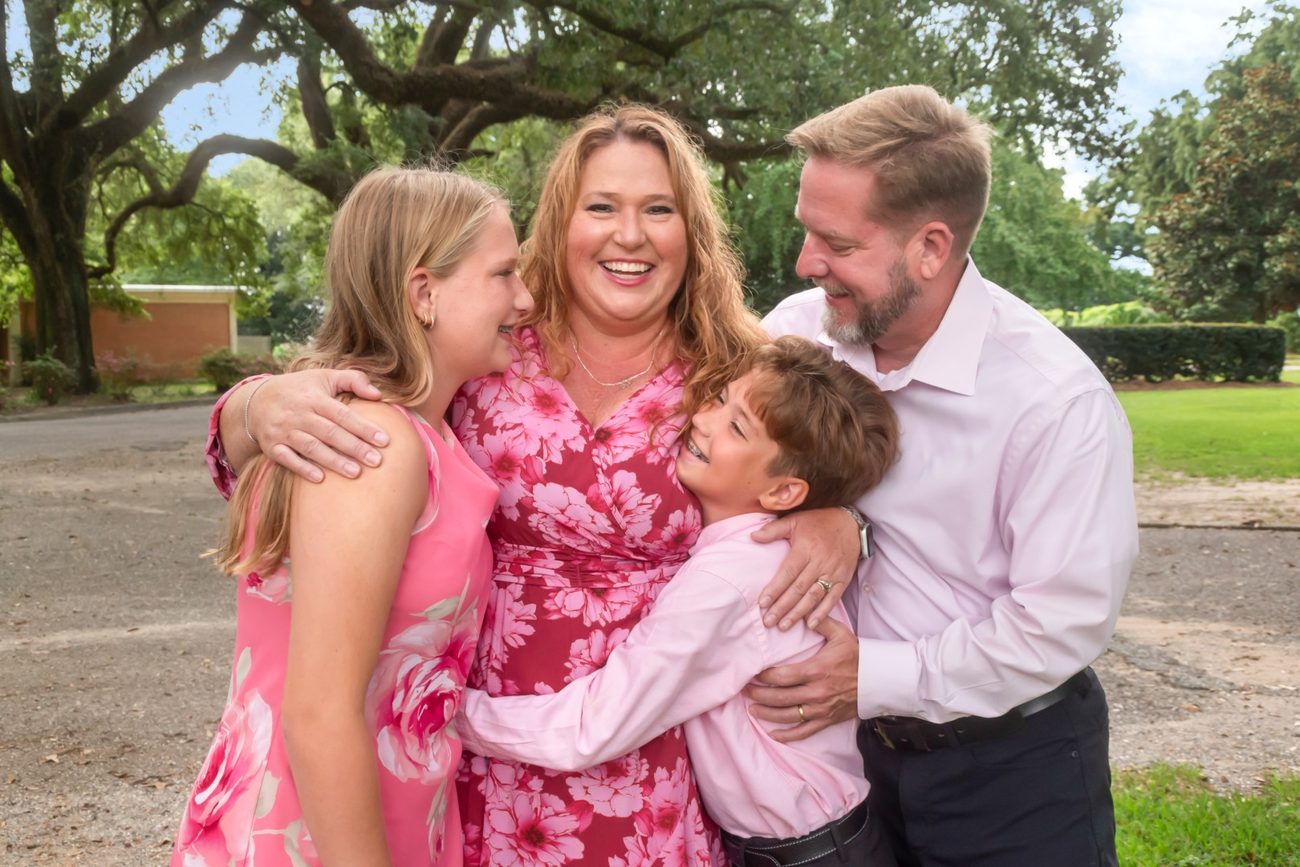
An Alabama family standing together

Access4Alabama is a statewide advocacy organization dedicated to advancing policies that protect patient choice, strengthen access to medically necessary care, and promote transparency and fairness within Alabama’s healthcare system.

Alabama women face a critical access crisis when seeking medically necessary breast reconstruction after cancer. The Comprehensive Breast Reconstruction Coverage Act (HB453) addresses the structural barriers that stand between patients and the care their insurance already covers on paper.

Primary Barriers to Care

Inadequate Provider Networks
Steering Practices
Referral Controls
Prior Authorization Refusals
Single Case Agreement Obstruction
Payment Games
The Bill

HB453 · Comprehensive Breast Reconstruction Coverage Act.

Currently before the Alabama House of Representatives.

HB453 — Comprehensive Breast Reconstruction Coverage Act
HB453
Comprehensive Breast Reconstruction Coverage Act
Sponsor
Rep. Jennifer Fidler
(R-District 94)
Co-Sponsors
53 members of the Alabama House of Representatives
Status
Filed February 2026
Federal Context
Strengthens protections established by WHCRA 1998

What the bill does

The proposed legislation does not mandate additional coverage and will not increase your premiums — your premiums and the state’s budget already account for the provision of coverage. What HB453 does is ensure that patients have access to what they already pay for through existing premiums and taxes.

Where networks are inadequate, the bill removes the administrative burden from the patient and her family. If a patient selects an out-of-network provider, the insurance company and the provider must engage in a single-case negotiation. If they cannot reach an agreement within five days, the carrier pays the lesser of 80% fair market value (as determined by an independent third party) or billed charges — guaranteeing the health plan always receives the best available rate.

Similar legislation was ratified in Arkansas and the state saw no fiscal impact based on its enactment.

Tell Your Legislator →Sign Petition
Frequently Asked Questions

What to know about HB453.

The most common questions about the Comprehensive Breast Reconstruction Coverage Act, the legislation, and the access crisis Alabama women face.

Will the proposed Comprehensive Breast Reconstruction Coverage Act increase my premiums? Is this proposed legislation fiscally responsible?

No, the proposed Comprehensive Breast Reconstruction Coverage Act does not mandate additional coverage and therefore will not increase your premiums as your premiums and the state’s budget already account for provision of coverage.

What the proposed legislation will do is ensure that you have access to what you already pay for through your existing premiums and/or taxes. Similar legislation was ratified in Arkansas and the state saw no fiscal impact based on its enactment.

Is breast reconstruction a cosmetic procedure?

No, breast reconstruction is NOT a cosmetic procedure. Breast reconstruction restores the breast(s) after removal due to cancer or other medical conditions. The goal is to restore what was lost, not provide elective enhancement.

Breast reconstruction is considered a medically necessary procedure, and its coverage as such has been federally protected in association with a mastectomy since the passage of the WHCRA in 1998.

What are “free flap” procedures? What is a DIEP?

A “free flap” is a type of reconstructive surgery where your own tissue (typically skin, fat, and blood supply) is completely removed from one part of your body (donor site), transplanted to another, and then the tiny blood vessels are reconnected under an operating microscope.

The DIEP flap is a free flap procedure where the abdominal skin and fat is used (without transferring muscle) to create a new breast(s). Free flap procedures like DIEP are recognized as the gold standard of care for breast reconstruction in the setting of radiation, where implant-based reconstruction has up to 50 percent complication/failure rate.

Who currently supports this Comprehensive Breast Reconstruction Coverage Act legislation in the House of Representatives?

HB453 is being carried by Rep. Jennifer Fidler (R-District 94) and has been co-sponsored by 53 other members of the Alabama House of Representatives.

Does the proposed Comprehensive Breast Reconstruction Coverage Act mandate a rate for reimbursement for the various kinds of breast reconstruction?

No, the proposed legislation does NOT mandate a rate. Rather, it seeks to create an environment for facilities and physicians where they can actually negotiate with insurance companies so that offering these medically necessary services remains financially viable.

If a patient selects an out-of-network provider, the insurance company and the provider must engage in a single-case negotiation for that patient’s care. If they cannot reach an agreement within five days, then the insurance carrier will pay the lesser of 80 percent fair market value for the service as determined by an independent third party (20 percent discount on fair market rate) or billed charges. The “lesser of” scenario ensures the health plan will always receive the best available rate.

What is network adequacy?

Network adequacy refers to whether a health insurance plan has a sufficient number and variety of healthcare providers to ensure members can access covered services without unreasonable delay, travel, or potential for unnecessary harm.

Under the Affordable Healthcare Act, health insurance plans must maintain network adequacy or in the event of an inadequate network, they must cover out-of-network providers as though they were in-network, with no additional cost sharing to its member(s). Unfortunately, the burden to obtain a recognition of a network inadequacy is placed on the patient, and there is no reasonable recourse for a health plan not responding timely — or at all — to a “gap in care” request for acknowledgement from a health plan.

In consideration of the high incidence of this disease and the limited number of specialists able to provide reconstructive services, along with surgeries requiring multi-specialty coordination, the proposed legislation recognizes the inherent gap in care for breast reconstruction and removes this administrative burden from the patient and her family.

Who can I contact if I have additional questions about the proposed Comprehensive Breast Reconstruction Coverage Act?
Testimonials

The patients behind the bill.

Real Alabama women whose access to medically necessary breast reconstruction was obstructed by insurance carriers.

Insurance companies choose the quickest and easiest band aids. No thought for each individual patient or what they actually need to heal.
Shelly Atkins
Stockton, Alabama · DIEP flap denied after recurrent breast cancer
I don’t want another implant. I could have breasts made from my own tissue. I was elated! Reconstruction is not cosmetic. It is part of cancer treatment.
Candace Lovelace
Two cancer diagnoses · chose tissue-based reconstruction
Reconstruction is not cosmetic. It is part of cancer treatment. It is part of healing — physically and otherwise. Insurance companies are not simply paying claims — they are influencing care.
Dianco Williams
Pressured to switch surgeons days before her scheduled procedure
Patients deserve the ability to make informed decisions about their own bodies. Medical decisions should be made between patients and their doctors — not insurance companies.
Anonymous Breast Cancer Survivor
Forced out-of-state surgery · significant financial hardship
In The News

Press coverage of HB453.

Recent reporting and opinion on the Comprehensive Breast Reconstruction Coverage Act.

Publications

The research.

Peer-reviewed studies that underpin the case for HB453 — clinical outcomes, patient-reported outcomes, cost-effectiveness, and readmission data on autologous vs. implant-based reconstruction.

Real Alabama women. Real barriers. One bill that fixes it.
Act Now

Your voice matters.

Contact your Alabama legislators in under one minute. Tell them you support HB453 — the Comprehensive Breast Reconstruction Coverage Act — and ask them to do the same.

Trouble loading the form? Email morgan@access4alabama.org.

Sign the petition to pass HB453.

Add your name. Tell Alabama legislators that patient choice, medically necessary care, and transparency in our healthcare system are non-negotiable.

Sign Petition →
Contact

Get in touch.

Patients, providers, legislators, supporters — we want to hear from you. Morgan responds personally to every message.

Bill Status
HB453 · Alabama House · 54 sponsors

Send a message

Patients, providers, legislators, sponsors of the cause — all welcome.